

Staying debt-free after finally achieving financial freedom can feel like a daunting task. This article explores crucial strategies for maintaining a debt-free lifestyle after you’ve paid off all your debts. Learn effective methods for budgeting, saving, and investing wisely to ensure you remain debt-free and secure your financial future. Discover how to avoid common pitfalls that can lead back to debt and empower yourself to maintain long-term financial stability and debt-free living.
Reflect on Lessons Learned from the Debt Journey
Achieving a debt-free life is a significant accomplishment, but the journey itself offers invaluable lessons that can help maintain financial freedom. Take time to analyze your past spending habits. What triggered your debt accumulation? Was it impulsive purchases, overreliance on credit, or unexpected life events? Understanding the root causes is crucial to avoid repeating past mistakes.
Evaluate the strategies you used to pay off your debt. Which methods were most effective? Did budgeting, debt snowballing, or the debt avalanche method work best for you? This reflection provides a personalized roadmap for future financial decisions and reinforces positive habits.
Consider the emotional impact of debt. How did it affect your stress levels, relationships, and overall well-being? Remembering these feelings can serve as a powerful motivator to stay debt-free. The newfound peace of mind and financial security are valuable reminders of the hard work and dedication you invested.
Finally, document your debt-free journey. Keeping a journal or record of your progress, challenges, and lessons learned creates a valuable resource for future reference. This documentation can also serve as inspiration and encouragement during times of financial temptation.
Maintain the Budget Habits That Got You Here
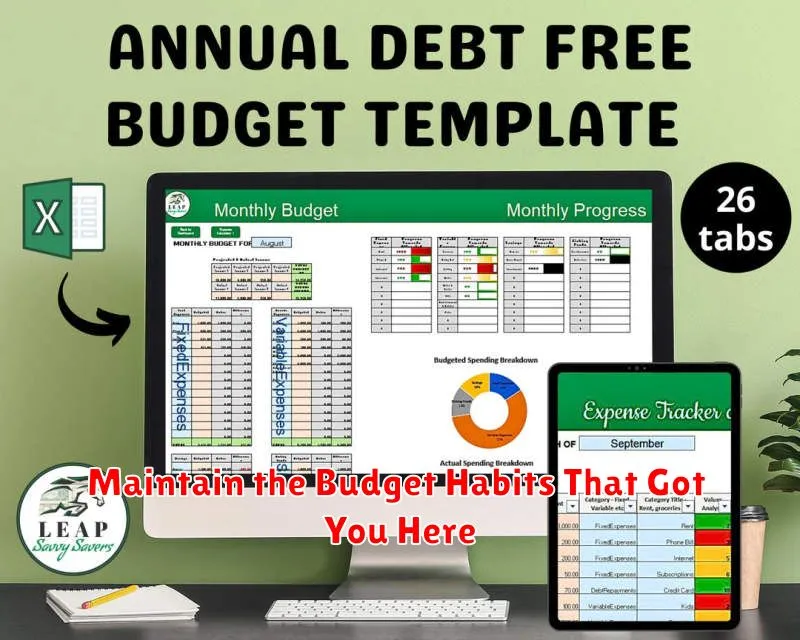
You’ve accomplished a significant financial goal by becoming debt-free. To maintain this important milestone, it’s crucial to continue the very habits that helped you achieve it. This means sticking with your budget, even though the immediate pressure of debt is gone.
Don’t fall into the trap of thinking you can drastically increase spending simply because you’re no longer making debt payments. Instead, redirect that money towards other essential financial goals like building an emergency fund, saving for retirement, or investing.
Continue tracking your income and expenses diligently. This allows you to monitor your spending patterns and identify any potential areas where you might be tempted to overspend. Consistent budget review helps you stay mindful of your financial situation and maintain control over your money.
Resist the urge to make large, impulsive purchases. The discipline you cultivated while paying down debt will serve you well in maintaining a debt-free lifestyle. Consider maintaining the same payment schedule, but redirect the funds towards savings or investments.
Remember, becoming debt-free is not a finish line, but rather a stepping stone towards a more secure financial future. By maintaining your positive budget habits, you can protect your hard-won financial freedom and build a solid foundation for long-term financial success.
Keep a Minimal Lifestyle with Intentional Spending
Maintaining a minimal lifestyle plays a crucial role in staying debt-free. This involves shifting your focus from acquiring material possessions to valuing experiences and prioritizing needs over wants. By consciously reducing your consumption, you’ll naturally decrease your spending.
Intentional spending is at the heart of minimalism. Before making a purchase, ask yourself if it aligns with your values and long-term goals. Is it a need or a want? Could you borrow, rent, or repair instead of buying new? This deliberate approach prevents impulsive purchases and keeps your finances in check.
Embrace the concept of “enough.” Recognize when you have sufficient clothing, gadgets, or household items. Resist the urge to upgrade or buy the latest model just because it’s available. Contentment with what you have is a powerful tool against unnecessary spending.
Cultivate an appreciation for experiences over things. Memories made with loved ones often hold more value than material possessions. Consider shifting your spending towards family outings, travel, or learning new skills, instead of accumulating more “stuff.” This shift in perspective can greatly reduce your desire for material goods, making it easier to maintain a minimal lifestyle and stay debt-free.
Build an Emergency Fund Before Spending Big
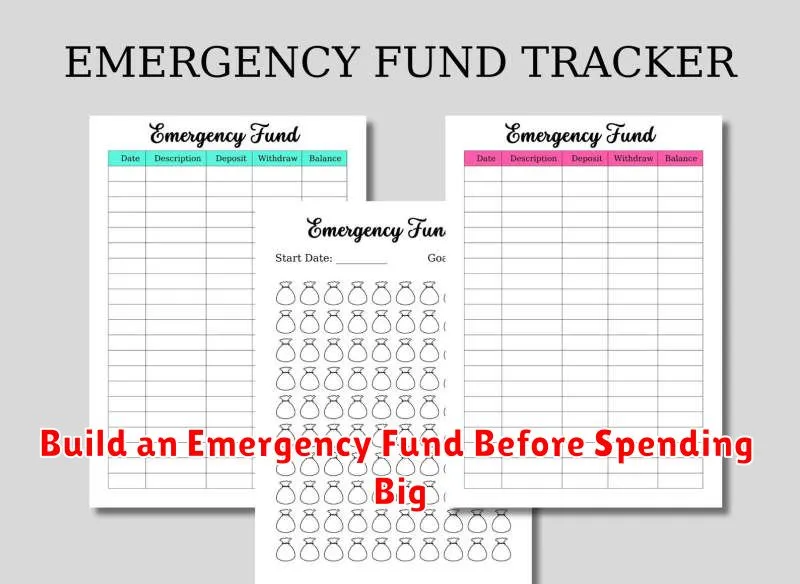
Once you’ve achieved the significant milestone of becoming debt-free, it can be tempting to immediately increase your spending. Resist this urge. Instead, prioritize building a solid emergency fund. This fund acts as a buffer against unexpected expenses, preventing you from falling back into debt when life throws curveballs.
Aim to save three to six months of essential living expenses. This should cover necessities like rent or mortgage payments, groceries, utilities, and transportation. Having this financial cushion will provide peace of mind and protect you from accumulating new debt in the face of job loss, medical emergencies, or unexpected home repairs.
While building this fund, maintain the same disciplined spending habits you practiced while paying off debt. Delay large purchases and continue to track your expenses. Consider automating regular transfers to your emergency fund to make saving consistent and effortless.
Track Monthly Net Worth Growth
Once you’re debt-free, shifting your focus to building wealth becomes crucial. A key strategy for this is tracking your net worth monthly. This involves calculating the difference between your assets (what you own, like cash, investments, and property) and your liabilities (what you owe, which should ideally be minimal after becoming debt-free).
Tracking this number allows you to monitor your financial progress and identify areas for improvement. A consistent upward trend in net worth signifies you’re successfully building wealth and staying on track. It also provides motivation to continue making sound financial decisions.
While simple spreadsheet software can be used for tracking, various apps and online tools are available to simplify this process. Find a method that suits your preferences and commit to updating it regularly. This habit will provide valuable insights into your financial health and contribute to your long-term financial success.
Avoid Credit Unless Absolutely Necessary
Staying debt-free requires a shift in mindset about credit. While credit cards and loans can seem convenient, they often lead to unnecessary spending and the accumulation of interest charges. Avoid using credit unless absolutely necessary.
A true emergency might justify using credit—a sudden, unexpected expense like a major car repair or essential medical procedure. However, even in these situations, explore all other options first, such as tapping into an emergency fund or seeking assistance from family or friends. If you must use credit, create a concrete repayment plan and stick to it rigorously, prioritizing paying it off as quickly as possible.
For everyday purchases, rely on debit cards or cash. This ensures you’re spending only the money you have available and prevents you from falling back into debt. Delaying gratification and saving up for larger purchases is a crucial component of long-term financial health.
Remember, the temptation of easy credit is a major obstacle to maintaining a debt-free lifestyle. By exercising discipline and making conscious spending choices, you can safeguard your financial freedom and enjoy the peace of mind that comes with being debt-free.
Stay Educated and Inspired by Personal Finance Content
Staying debt-free requires ongoing effort and a commitment to financial literacy. Continuously educate yourself about personal finance topics. This can include reading books, listening to podcasts, following reputable financial blogs, or attending workshops.
Seek out inspiring stories of others who have successfully managed their finances and remained debt-free. These stories can provide motivation and practical tips for navigating financial challenges. Remember, managing your finances is a lifelong journey, and continuous learning is key to success.
Budgeting and tracking your expenses remain essential even after becoming debt-free. This allows you to monitor your spending habits, identify potential areas for savings, and ensure you’re staying on track with your financial goals. Regularly review your budget and adjust as needed to reflect changes in your income or expenses.
Staying informed about changes in the financial landscape is also crucial. Keep up-to-date on new financial products, regulations, and economic trends. This knowledge will empower you to make informed decisions about your money and avoid potential financial pitfalls.
